
 By Tommy Lee
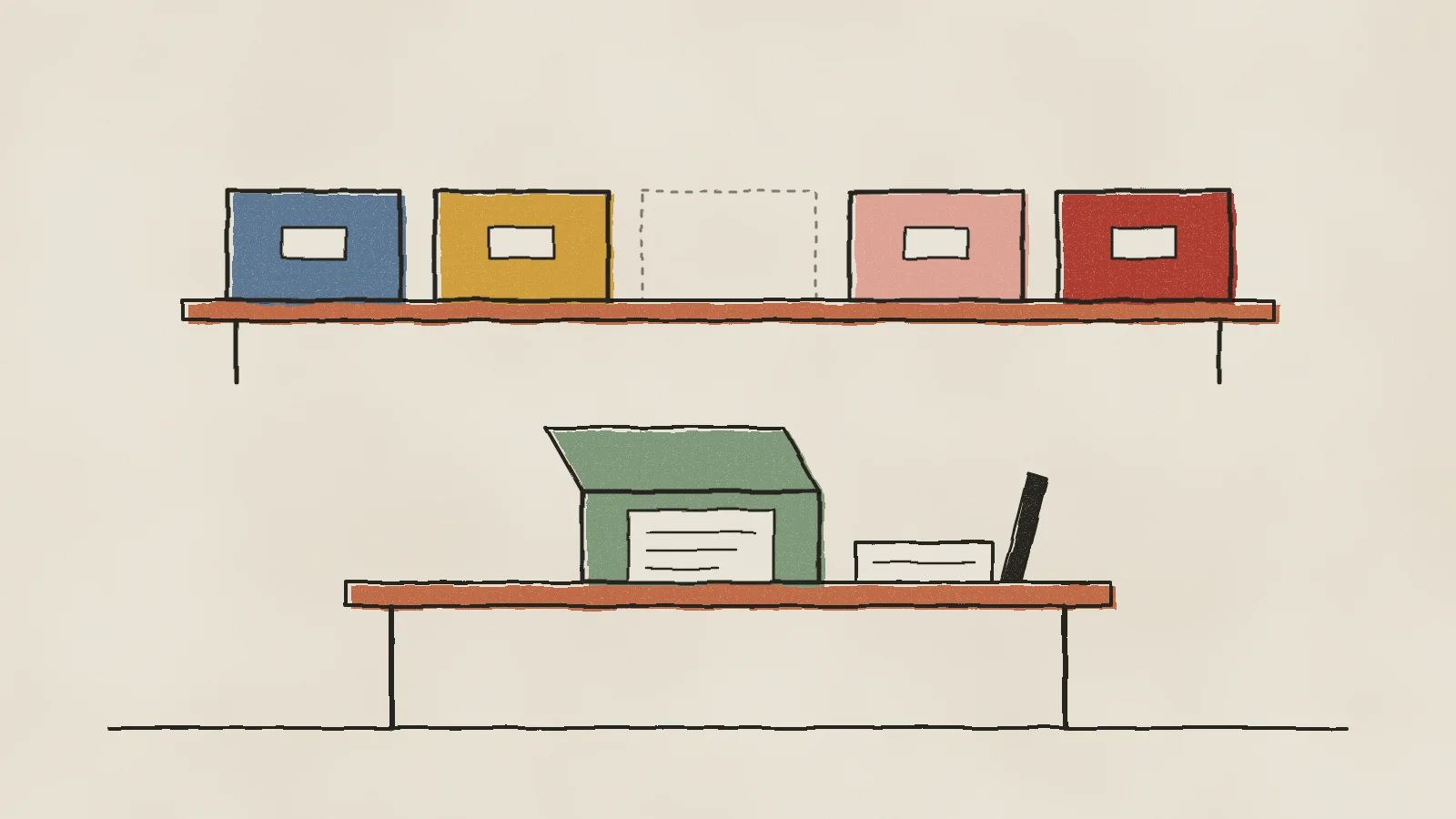
Most of us aren’t working on just one thing. You have your main job, a couple of projects on the side, something at church, and a family at home. All of it seems to need you this week.
So how do you do several things at once and still do them well? I wrote about some of this in Five Ways I Stay Organized and Run Multiple Projects at Once. Here are five more things that have helped me.
1. Surround yourself with people who are different than you
When I took the Working Genius assessment, my strengths were coming up with new ideas and getting people excited about them. I can create something out of nothing and turn around a project that is in trouble. I love that challenge. Pushing a project all the way to the finish line is not one of my strengths. So I need people on my team who love that part.
Moses learned this the hard way. He was judging every case for the whole nation from morning to night. His father in law Jethro watched and told him, “You are not able to do it alone” (Exodus 18:18). So Moses handed the smaller cases to capable people.
Who on your team is good at what you are bad at? Are you letting them do it?
2. Get it out of your head
Everyone’s system is different. I don’t use Slack. I keep track of things in my Google notes and keep drafts in my inbox. When I think of something I need to do, I email it to myself and put it on my calendar. If it isn’t on my calendar, it probably isn’t going to happen.
AI is part of my system too. I use Claude almost every day to turn a messy brain dump into a to do list or to summarize a long email thread. But AI won’t decide what matters. That’s still my job.
3. Do one thing at a time
Working on multiple projects is not the same as multitasking. Peter Bregman wrote in Harvard Business Review that multitasking is really just switching back and forth very fast. It makes us feel busy, but we lose time every time we switch.
So give each project its own block of time. When you are working on it, close everything else. When the time is up, take a short break, then switch.
4. Walk away
Sometimes I have to walk away. I do the laundry, or I stand up and move around, or I write a blog post. Doing something completely different helps my brain relax. A lot of times the answer comes to me when I am not trying so hard.
5. Know your breaking point
There is a point where it becomes too much. You take on one more project, and instead of doing five things well, you start doing all of them badly. You are behind on everything, you are short with people, and your family gets what is left over.
Don’t compare yourself with others. Know yourself and know your limits. For instance, I work so well in the early mornings, but in the late evenings I get so tired and at times delirious. That is when I make the most mistakes.
AI can make it feel like you can handle more. But just because a tool lets you take on more doesn’t mean God is asking you to.
When you hit that point, something has to come off your plate. Finish it, hand it to someone else, or say no to it for now. Saying no to a good thing is hard, but it is better than doing everything badly.
You are not the one holding everything together. God is. He doesn’t need you to burn out to get His work done, and He doesn’t love you any less when you need a break.
Just some thoughts. Be who you are. Don’t try to be someone else. Know your body, and know how you think and react.