 TPL Notebook
Too Big, Too Fast, Part 1: What We Can Learn From Brands That Lost Their Way.
 By Tommy Lee
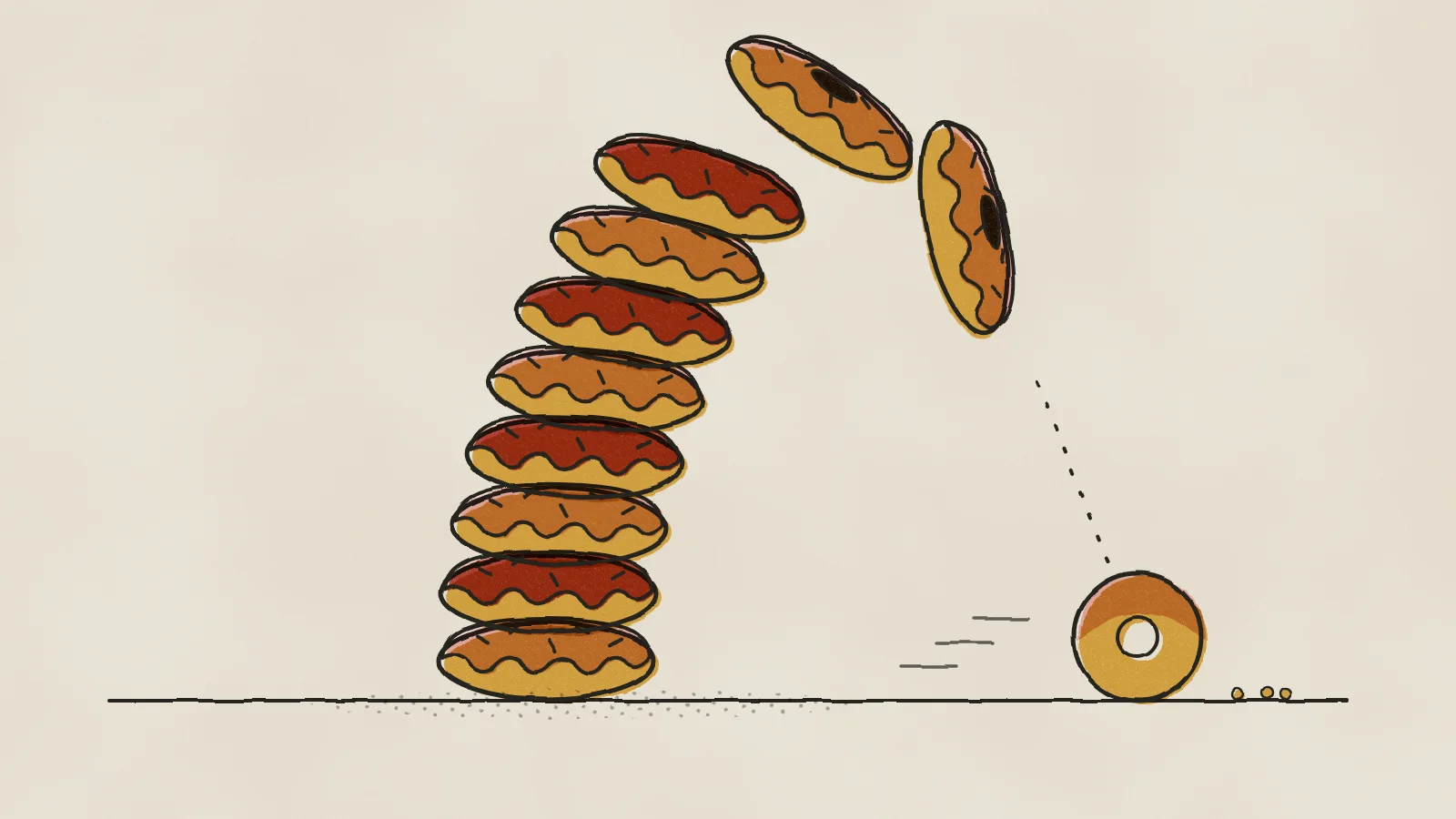
Do you remember when Krispy Kreme was the hottest thing around? People lined up out the door as soon as they saw the sign lit up. The donuts were hot and fresh, and everyone wanted some. In 2003 Fortune put it on the cover and called it “America’s hottest brand.” Its stock hit almost $50 a share. Today it trades around $4.
I have been reading about brands that were once so popular and then fell. Krispy Kreme, Subway, Gap, and now even Southwest Airlines and Wendy’s. Each story is different, but most of them have the same thing in common. They grew too big, too fast. Then the bad press came, and by then the damage was already done. These were just fascinating case studies for me and I set out to learn what caused their downfall and what lessons I can learn from them.
If you lead a business, a church, or a ministry, there is a lot to learn here.
Krispy Kreme
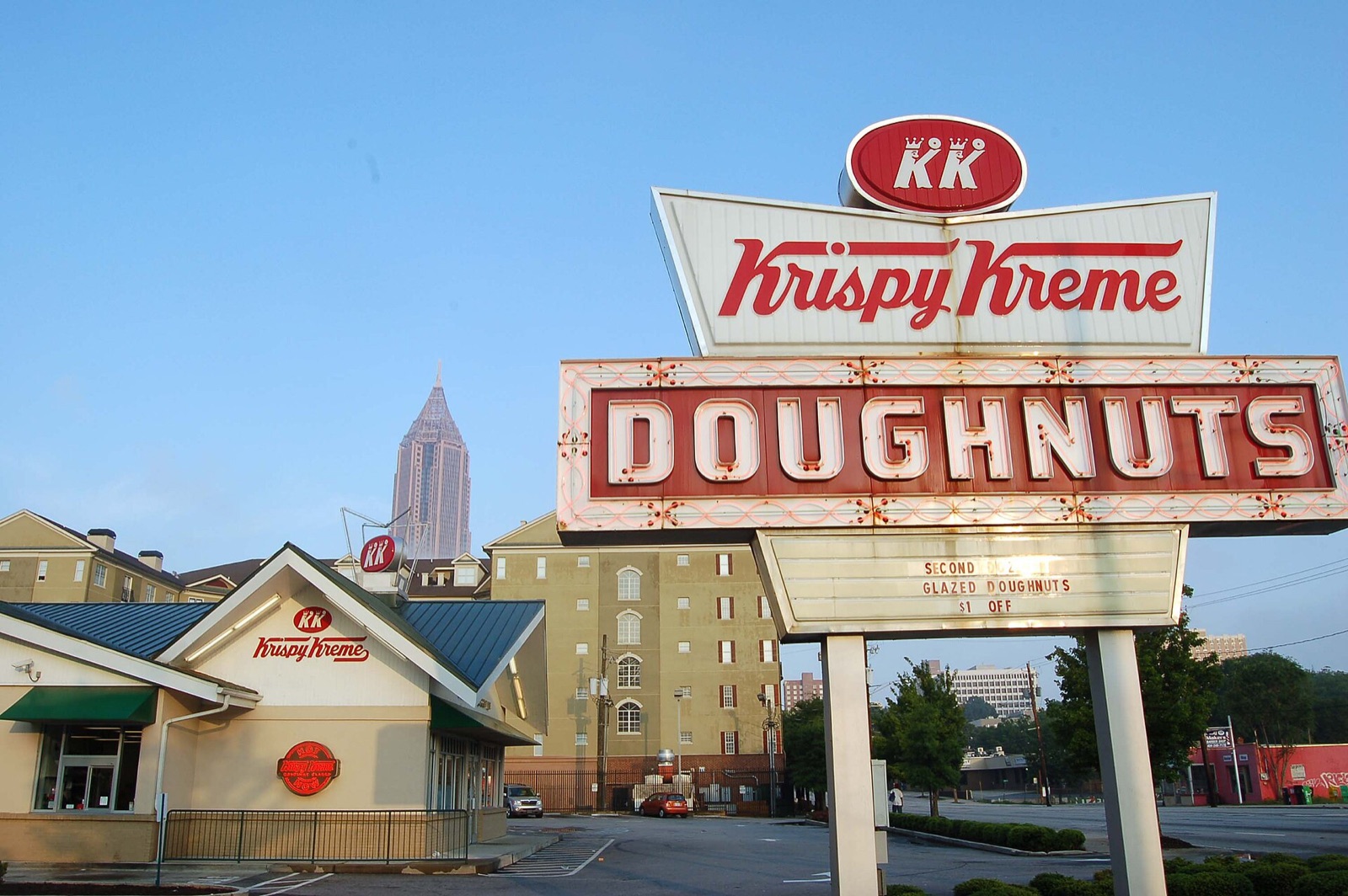

Krispy Kreme went from about 140 stores in 2000 to almost 400 by early 2005. I even started seeing it in grocery stores in Chicago and gas stations. It had saturated the market and the demand was no longer there. By 2004, sales at the average company owned store had dropped almost 20%. The CEO blamed low carb diets, but the real problem was that there were just too many stores.
Then it got worse. The SEC started investigating, and the company had to restate years of earnings. The board’s own investigation blamed a culture of trying to beat its own earnings projections by a penny every quarter. The CEO was pushed out, and in 2009 the SEC charged him and two other executives. They settled without admitting or denying the charges.
Krispy Kreme came back. But in 2024 it made the same kind of move again. It announced it would be in every McDonald’s in the country by the end of 2026. About a year later, after getting into around 2,400 McDonald’s, it paused. A month after that the deal was over. The company said it couldn’t get its costs in line with the demand. The stock is down more than 90% from its 2003 high.
Back in 2005 one analyst said, “They’ll probably have to shrink to grow at this point.”
Subway

By early 2002, Subway had passed McDonald’s in the number of U.S. stores. By 2015 it had more than 27,000 U.S. stores, almost twice as many as McDonald’s. The problem was that sales at each store kept going down while Subway kept opening new ones. A new Subway down the street would take customers from the one that was already there. One analyst called Subway “a victim of its own success.” Another said, “If your goal is to have the most versus the best,” you eventually run into trouble.
Most people remember the Jared Fogle scandal in 2015. It was terrible press. But economists who studied it later found it didn’t really change how often people went to Subway. The bigger problem was too many stores, and franchise owners who couldn’t make enough money. Subway had 18,773 U.S. stores at the end of 2025. The average Subway brings in about $500,000 a year. The average Jersey Mike’s brings in about $1.4 million.
Note: I personally love Subway but I know there’s a perception these are cheap sandwiches compared to Potbelly, Jersey Mike’s, or Jimmy John’s.
Gap
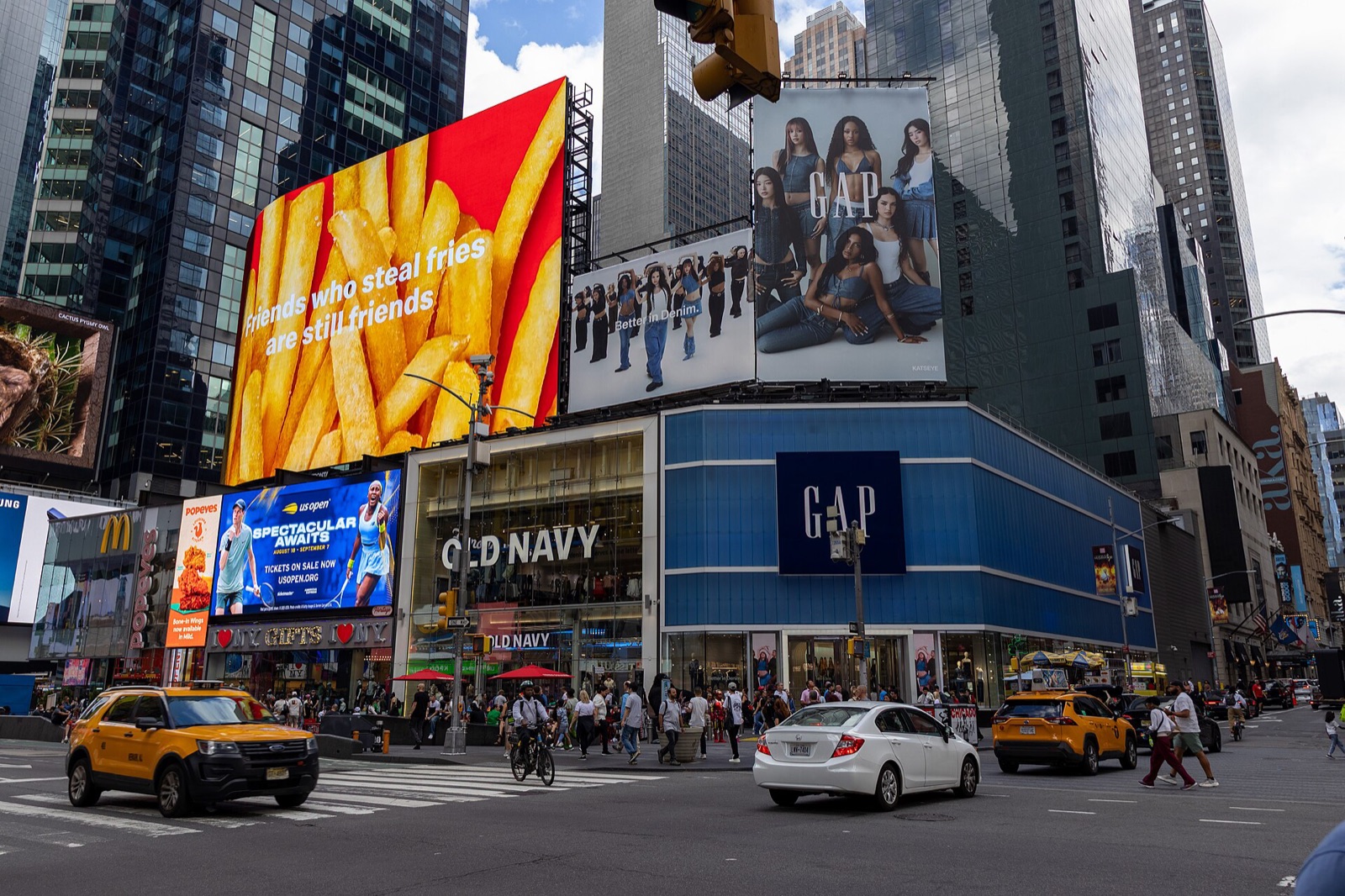

In the 1990s Gap was the American look. Khakis, jeans, white t shirts, and ads everybody remembers. At its peak the Gap brand did about $7.3 billion a year in sales. Gap was synonymous with fashion. It was so popular.
Then it kept opening stores and chasing trends and slowly lost track of who it was. In 2010 it changed its famous blue box logo, and then changed it back about a week later because people hated it. It closed about a quarter of its Gap stores in North America in 2015, and planned to close about 350 more Gap and Banana Republic stores in 2020. Today the Gap brand is less than half the size of Old Navy, which Gap also owns.
Gap’s current CEO, Richard Dickson, said the company “lost the storytelling and became more about the stuff.” Since he went back to what made Gap popular in the first place, the brand has grown 11 quarters in a row.
Southwest Airlines
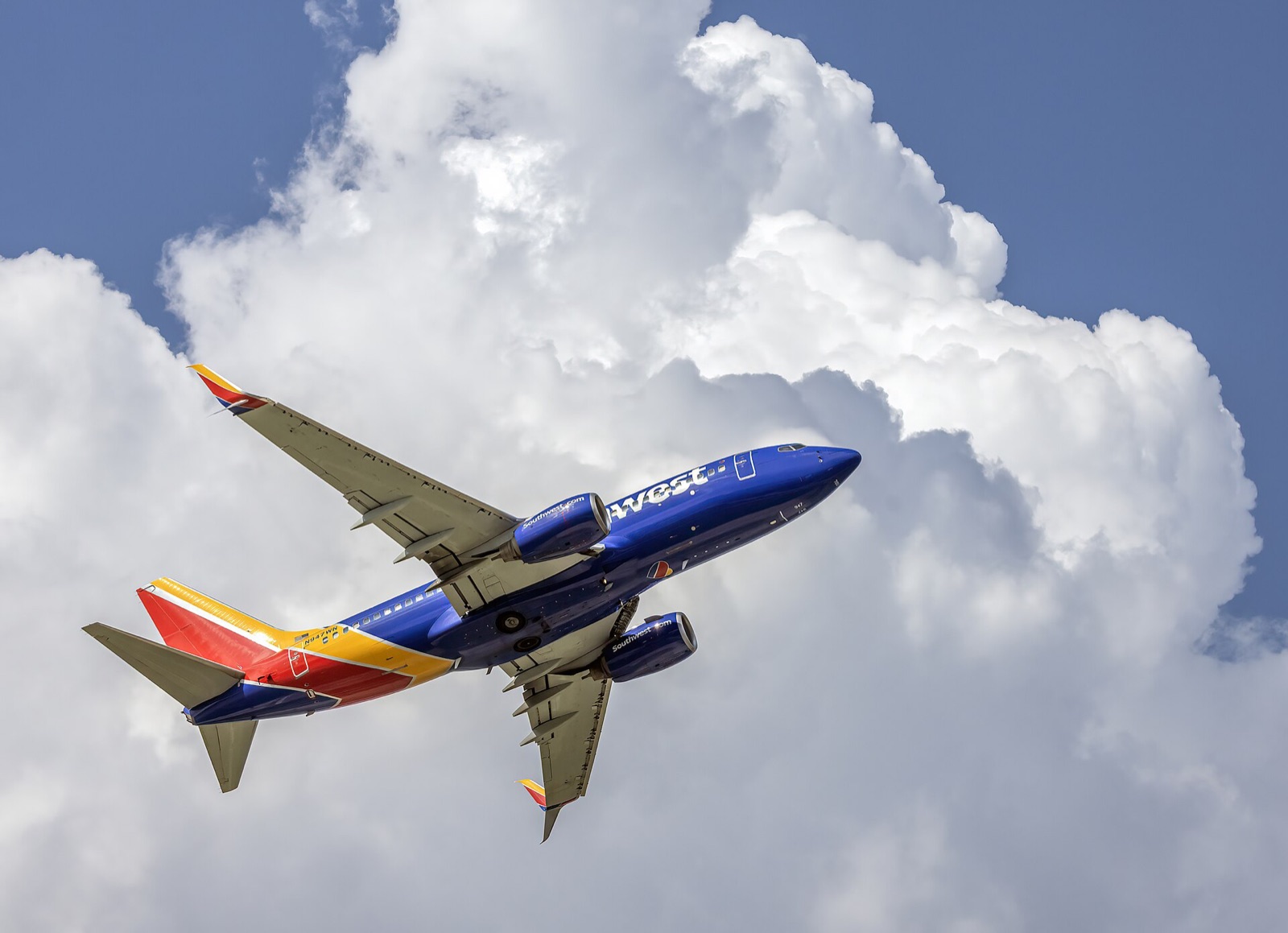

For years Southwest was the example everybody used. Herb Kelleher and Rollin King started it in Texas, and its first flights in 1971 went between Dallas, Houston, and San Antonio. Early on, Southwest had to sell one of its four planes. It didn’t want to cut its schedule, so the team figured out how to unload and reload a plane in about ten minutes. That fast turnaround became one of the secrets of its whole business.
Herb ran the company like nobody else. His order was employees first, customers second, and shareholders third. His thinking was simple. If you take care of your people, they will take care of the customers, and that takes care of the shareholders. Southwest started one of the first profit sharing plans in the airline industry, so employees owned part of what they were building.
And it was fun. Flight attendants sang the safety announcements and told jokes. In 1992 another company said Southwest’s slogan was too close to theirs. Instead of going to court, Herb arm wrestled the other company’s CEO in front of a crowd of employees. They called it Malice in Dallas.
Customers loved it. Bags flew free. There were no assigned seats, so boarding was quick. You got a low fare and people who seemed happy to see you. Southwest made a profit 47 years in a row. For 53 years it never had a mass layoff. In his book Great by Choice, Jim Collins used Southwest as an example of disciplined growth. In 1996 more than 100 cities asked Southwest to come, and it only went to four.
So Southwest didn’t get in trouble by growing too fast. It got in trouble by letting go of what made it different. In December 2022 it cancelled almost 17,000 flights over the holidays and stranded more than 2 million people, mostly because of old scheduling technology. It got a record $140 million fine.
Then an activist investor pushed for changes, and one by one the things customers loved started to go. In February 2025 Southwest announced its first mass layoffs ever, about 1,750 corporate jobs. That May it stopped letting bags fly free, even though its own research said free bags were the top reason, after price and schedule, that people chose Southwest. This year the fees went up again to $45 for the first bag and $55 for the second on a lot of tickets.
In January it moved to assigned seats. The rollout was rough. The overhead bins filled up, and some people who paid extra to pick their seat said they got moved to a middle seat anyway. Forbes asked, “Has Southwest become just another airline?” That is the question a lot of loyal customers are asking too.
This year Southwest dropped from first to fourth among airlines in the American Customer Satisfaction Index. In the third quarter it carried 3.2% fewer passengers, but the average fare went up almost 27%. Columbia professor Rita McGrath wrote, “Remove one piece, and the whole system weakens.”
To be fair, some experts say the old model had stopped making money and Southwest had to change to compete. Maybe, but in the process it lost its identity.
Wendy’s and Burger King
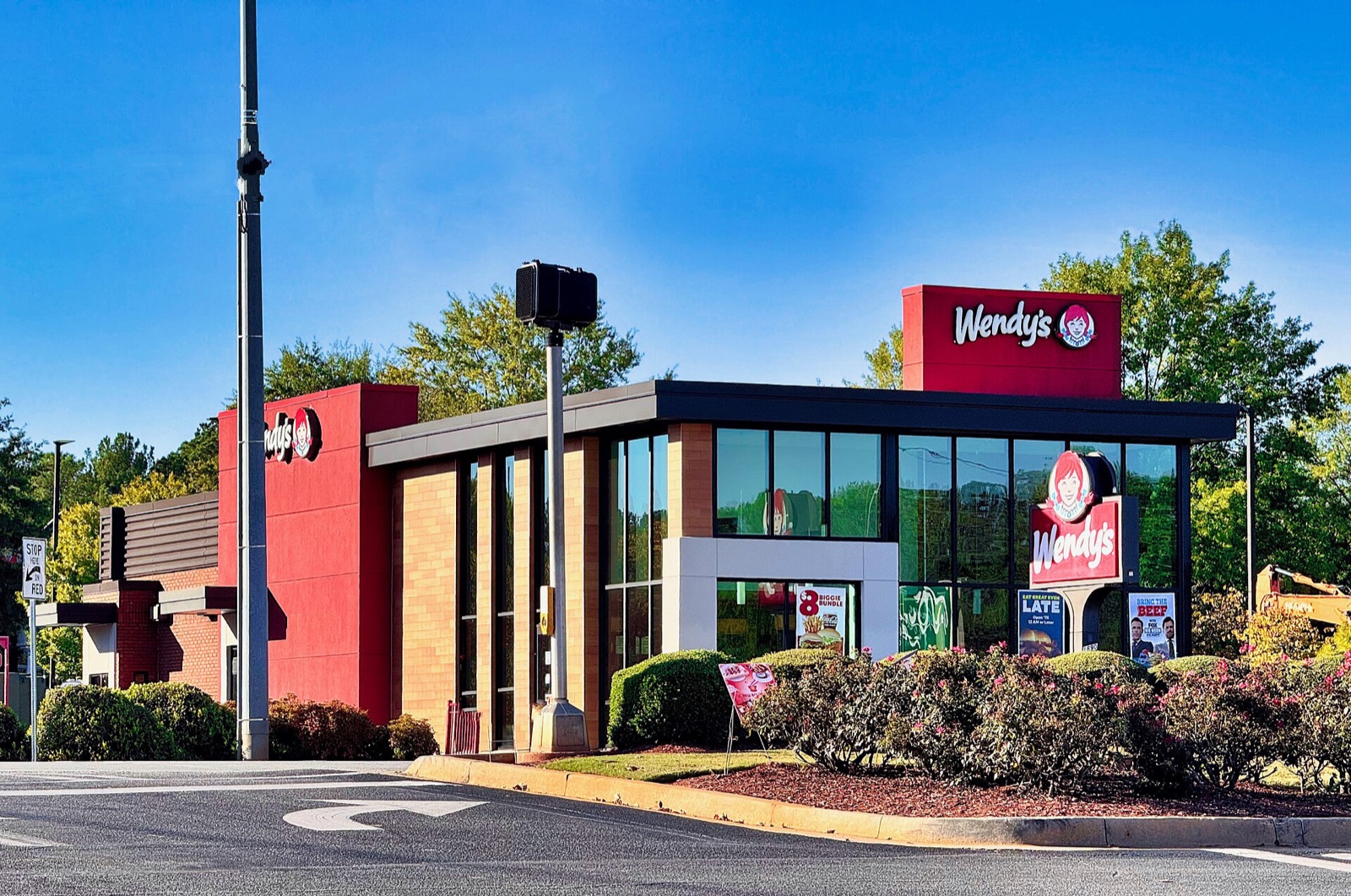

Wendy’s has been in the news a lot this year, and not for good reasons. Dave Thomas built Wendy’s on quality. Fresh, never frozen beef. But U.S. sales at existing stores have now gone down seven quarters in a row. Wendy’s closed 289 U.S. restaurants in the first half of this year. And in August, Burger King passed Wendy’s as the No. 2 burger chain behind McDonald’s.
The new CEO, Bob Wright, was honest about why. In August he told investors, “Our quality differentiation has eroded.” He said Wendy’s had made decisions “in the interest of cost and efficiency that maybe have degraded a little bit of our quality.” Then he said this: “the customer notices when you make a few changes,” and “you start to lose confidence and trust really in the minds of the customer.”
That is the problem. Once you lose your reputation, it is really hard to bring people back. Wendy’s is now testing thicker bacon, a creamier Frosty, and whole leaf lettuce on its sandwiches. We will see if people come back.
Now look at Burger King. Its food had a bad reputation too. Customers called its chicken nuggets “rubbery,” “dry,” and “disappointing.” Tom Curtis, the president of Burger King in the U.S. and Canada, did something most executives would never do. He put out his personal phone number and asked customers to call or text him with their complaints. He said, “We can do better, and we will.”
Burger King started with the Whopper and gave it a new bun, new mayo, and new packaging. Then on September 1 it rolled out new nuggets made with all white meat chicken and a crispier breading. In the third quarter, sales at its existing U.S. stores were up 8.4%.
One listened to its customers and fixed the basics. The other cut corners on the very thing it was known for, and the customers noticed.
What we can learn
- Don’t chase the number. Krispy Kreme’s trouble started with trying to beat Wall Street by a penny. When the number becomes the goal, people start cutting corners.
- Know what makes you different and protect it. Gap lost its story. Southwest gave up the things its customers loved most.
- Don’t cut corners on what you are known for. Wendy’s saved money and lost trust. Once you lose your reputation, it is really hard to bring people back.
- Take care of the people on the front lines. Subway’s franchise owners were squeezed by too many stores and too many discounts. If they can’t make it, the brand can’t either.
So what do the brands that last do differently? In Part 2, I’ll look at In-N-Out and Chick-fil-A, why Pokémon cards are still going strong after 30 years, whether Labubu and squishies will last, and how to know when it is time to shut an idea down.