 TPL Notebook
Too Big, Too Fast, Part 2: What the Brands That Last Do Differently.
 By Tommy Lee
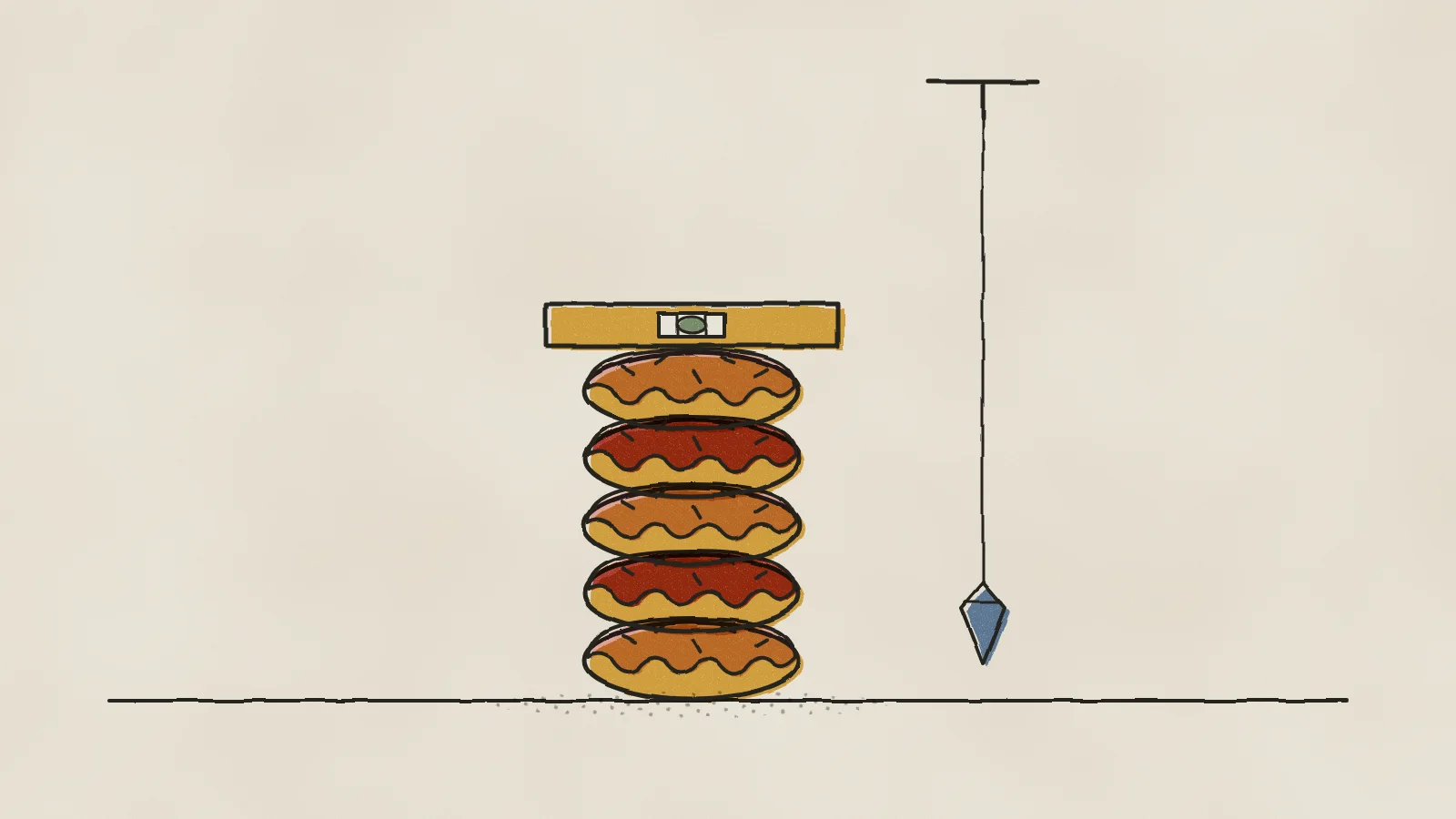
In Part 1, I looked at brands that were once so popular and then fell. Krispy Kreme, Subway, Gap, Southwest Airlines, and Wendy’s. Most of them grew too big, too fast, or let go of the very thing that made them different.
Now let’s look at the other side. What do the brands that last do differently? What about the new crazes, like Labubu and squishies? Will they last? And when you try something new, how do you know when it is time to shut it down?
If you lead a business, a church, or a ministry, there is a lot here to learn from.
In-N-Out and Chick-fil-A


In-N-Out started in 1948 and is still family owned. It has never franchised. Lynsi Snyder, the owner and president, has said, “I wouldn’t franchise ever!” In-N-Out only opens stores within a few hundred miles, about a day’s drive, of its own facilities that make the patties, so the beef is never frozen. That is why it didn’t open its first restaurant in Tennessee until December 2025, and it started building an office there first. Back in 2018 Lynsi said, “You put us in every state and it takes away some of its luster.” The average In-N-Out does about $6 million a year. The average McDonald’s does about $4 million. And John 3:16 is still printed on the bottom of the cups.
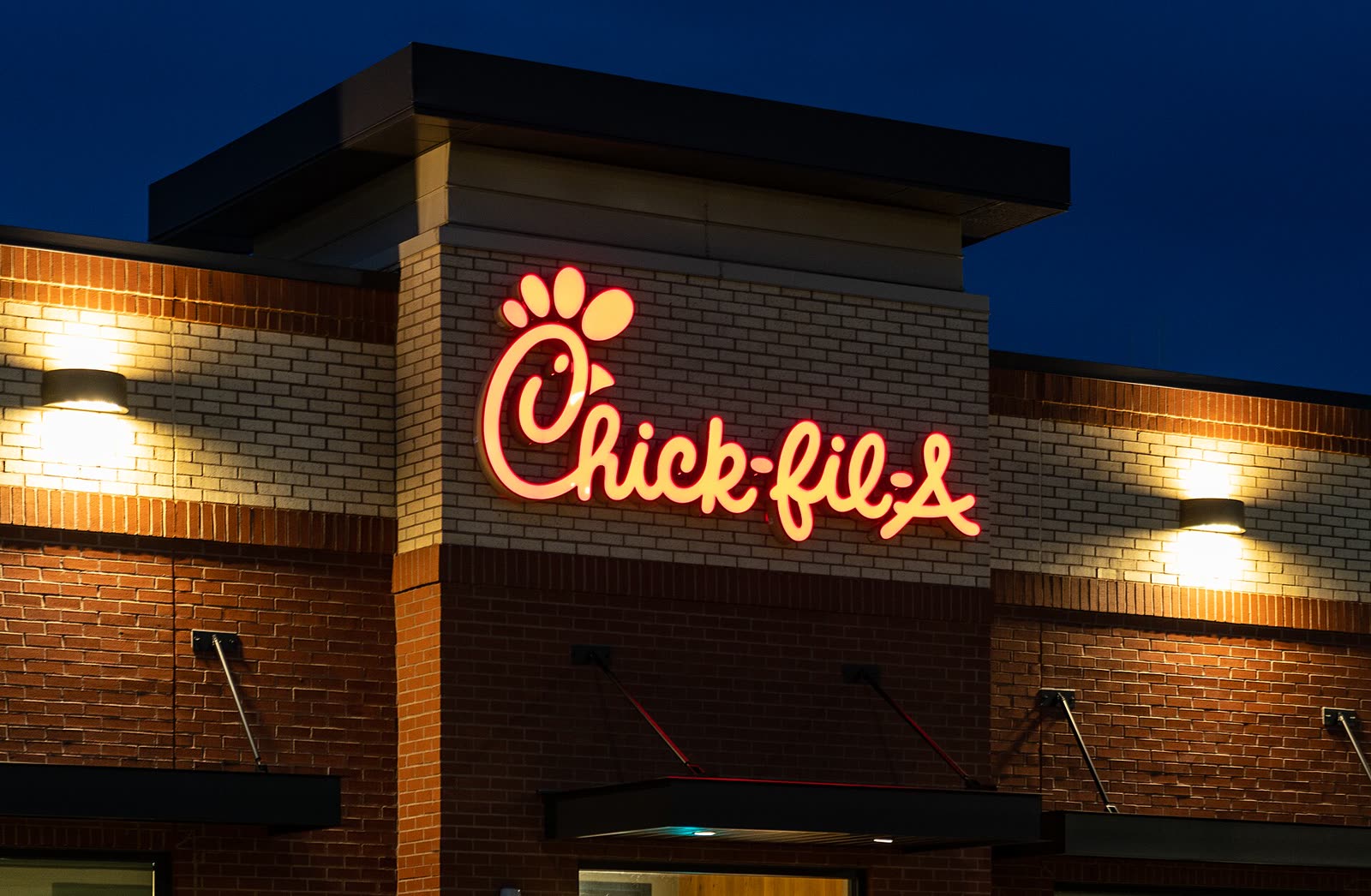

Chick-fil-A has been closed on Sundays since Truett Cathy opened his first restaurant in 1946. He had worked seven days a week in restaurants that were open 24 hours, and he wanted a day to rest. In his book he wrote that they were “not so committed to financial success” that they would give up their principles. Most Chick-fil-A operators run just one restaurant, and the company is very picky about who it chooses. One operator says about 100,000 people apply each year and about 200 get picked. The average Chick-fil-A brings in over $7 million a year, almost twice what a McDonald’s does, and it is only open six days a week.
Jim Collins calls this the 20 Mile March. You hold back on the good days so you can keep going on the bad ones. In his words, “you can go 40 or 50 miles in a day. But you don’t.”
Pokémon cards


Pokémon cards should have been a fad. They came to the U.S. in 1999 and kids went crazy for them. Some schools banned them. A lot of people thought they would go the way of Beanie Babies.
This year the Pokémon card game turned 30. The Pokémon Company says more than 85 billion cards have been printed since 1996, in 16 languages and more than 90 countries. The company says about 10 billion of those were printed in just the last year. The company had record sales of about $3.3 billion for the year that ended in February. And in February a rare Pikachu card sold for $16.5 million, a world record.
So why did Pokémon last when so many fads didn’t?
First, it is a game, not just something to collect. Kids actually sit down and play it. There are local tournaments and a World Championship every year.
Second, they keep the core the same. Pikachu still looks like Pikachu. But there is a new set every few months, so there is always a reason to come back.
Third, it crosses generations. A lot of the kids who played in 1999 are now parents opening packs with their own kids.
And when demand got way ahead of supply and scalpers were buying everything off the shelves, the company didn’t lean into the shortage to make the cards feel rare. In 2025 it said it was printing more “as quickly as possible and at maximum capacity.” It hasn’t been perfect. Fans are still frustrated that they can’t find cards in stores. But they are trying to get the cards into the hands of the people who actually play.
Labubu and Pop Mart


If you don’t know what a Labubu is, ask anyone under 25. It’s a little furry monster with a jagged grin, made by a Chinese company called Pop Mart. You buy them in a “blind box,” so you don’t know which one you are getting until you open it. Lisa from Blackpink was seen with one and it took off around the world.
In 2025 Pop Mart’s revenue almost tripled to about $5.4 billion. The Monsters, the line that includes Labubu, made up 38% of it. The stock hit a record high in August 2025.
Then it cooled off. When Pop Mart reported those big numbers in March, the stock fell more than 20% in one day because investors were worried the company depended too much on one character. Last month Pop Mart said its third quarter sales fell 45 to 50% from a year ago. In the Americas they fell 70 to 75%. As of late October, the stock was down more than 30% this year.
Some analysts compare it to Beanie Babies. Others point out that Pop Mart is building up its other characters and opening flagship stores in New York, Milan, and Paris.
So is Labubu the next Pokémon or the next Beanie Baby? The jury is still out. Does it give people a reason to keep coming back, like the Pokémon game does? Or is it only the thrill of the hunt?
Squishies
Then there are squishies. If you have kids or grandkids, you have probably seen them. They are soft, colorful little toys you squeeze. David Green, the founder of Hobby Lobby, told me Hobby Lobby sells so many of them that sales are through the roof. People love them.


The numbers back him up. In the first half of this year, U.S. squishy sales were about $297 million, about four times the year before. The best known brand is NeeDoh. One Texas store owner said they can’t keep them on the shelf for an hour. Most NeeDoh buyers are parents buying for kids, mostly ages 7 to 12. But almost one in five bought one for themselves.
So is it a fad? The craze probably is. An analyst at Euromonitor compared it to fidget spinners and said the hype will fade. But he also said people’s interest in toys you can touch and squeeze will last. Squishies are cheap, they help with stress, and they spread fast on social media.
Here is the difference to note. Hobby Lobby doesn’t need squishies to last forever. It isn’t a squishy company. People come to Hobby Lobby for a lot of reasons, and squishies are one more reason to walk in the door this year. Pop Mart is different. Almost 40% of its sales came from one line of characters. If that line fades, it hurts a lot more.
When do you shut an idea down?
Trying new ideas is good. You have to be innovative. Even Wendy’s new CEO said, “We can’t just do what we’ve always done better. We do have to innovate.” But how do you know when to shut an idea down or pivot?
Jim Collins has a simple way to think about it in Great by Choice. Fire bullets, then cannonballs. A bullet is a small test. It is low cost, low risk, and it doesn’t distract you from the main thing. If it hits, then you fire the cannonball and put real money and people behind it. If it misses, you haven’t lost much.
Gap got this part right with its logo. People hated it, and Gap changed it back in about a week. Krispy Kreme was in about 2,400 McDonald’s when it decided the numbers didn’t work, and it ended the deal.
Annie Duke, a former professional poker player, wrote a book called Quit. She says to set your “kill criteria” before you start, when you are not emotional about it. She calls it “states and dates.” If by this date we haven’t reached this point, we stop. Because once you have poured your time, money, and heart into something, it is really hard to walk away.
So before you launch the next big idea, ask a few questions. What does success look like? By when? What would tell us to stop? And are we changing the very thing that makes us different?