
 By Tommy Lee
On Thursday, November 12, Jensen Huang resigned as CEO of Nvidia, effective immediately. He started the company 33 years ago and built it into one of the most valuable companies in the world.
The reasons he left are all over the news. That is not what I want to talk about here. What caught my attention is what happened next. Nobody was ready. The CFO, Colette Kress, was named interim CEO, the board named its first chair ever, and the stock dropped as much as 10% within hours.
What happens to an organization built around one person and his leadership style, and what can we learn from what happened here?
How Nvidia was built
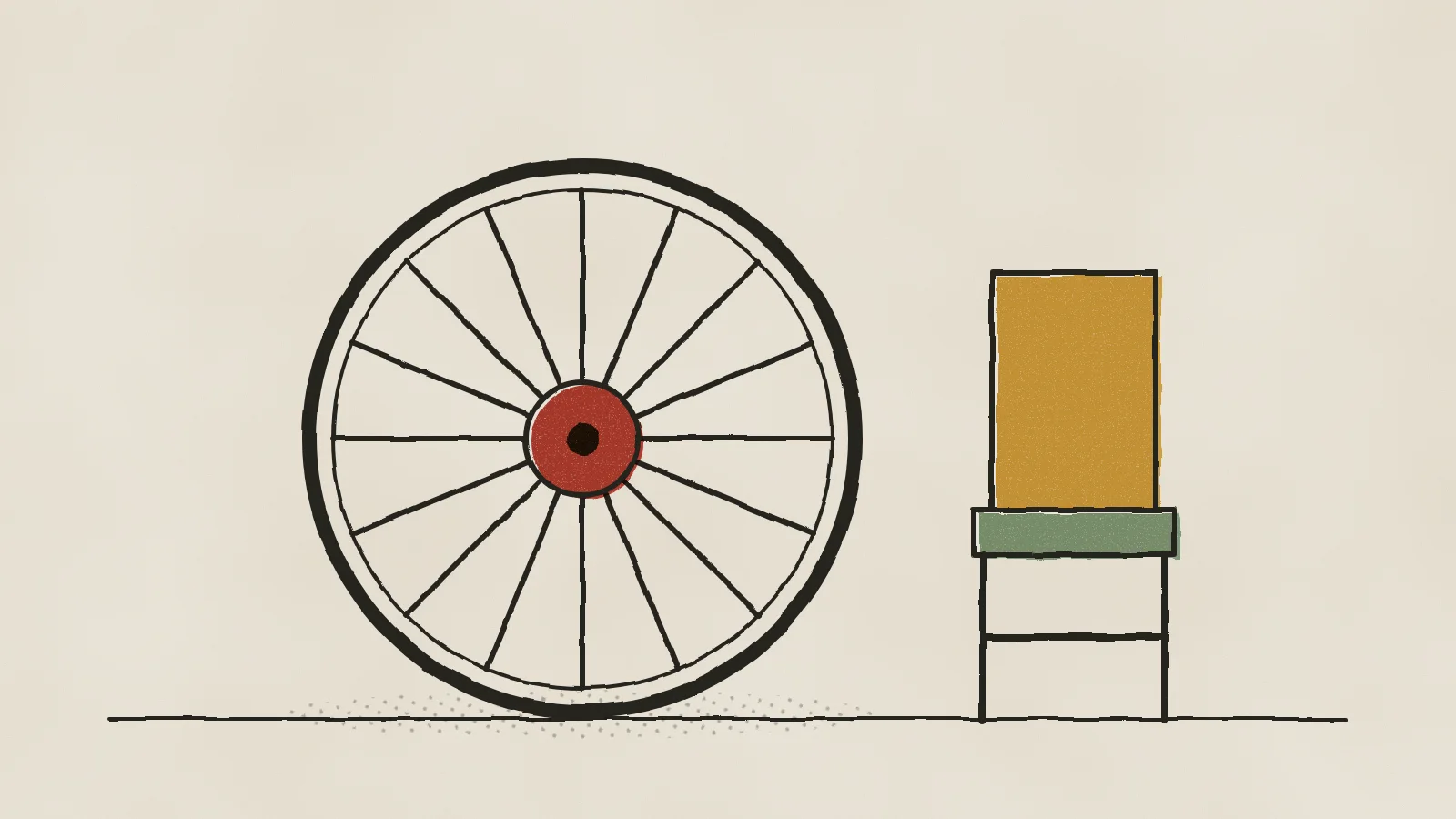
Most big companies look like a pyramid. The CEO has five to eight senior leaders, and each one runs part of the business. Nvidia looked more like a wheel with Jensen in the middle.
He has said he had about 60 people reporting directly to him. He didn’t do one on one meetings. He met with his leaders as a group so everyone heard the same thing at the same time. He took out the layers in the middle because he thought they slowed things down.
Why would a leader set it up this way? Because it is fast. Nothing gets lost on the way up or down.
And it worked. Nvidia moved fast, and it became the center of the AI boom. Jensen knew the technology, the customers and the suppliers personally.
Where it broke
One on ones are where you coach people. When you skip them, you also skip the chance to get your best people ready for the top job. Moving fast is good. It just doesn’t get anyone ready to lead.
The strange part is that Jensen knew this. Four weeks before he resigned, he told Bloomberg, “Just as I can be fired, the next CEO has to be hired.” He said he hoped the next CEO was already at the company. But nobody there was ready.
It is hard for a board to push back on a founder who built everything. Until last week, Nvidia didn’t even have a board chair.
Nvidia isn’t going to fall apart. Its engineers will keep building chips. But it was built to win as long as one man stayed, and there was no plan for the day he didn’t.
What they needed to do was find one or two people who could lead in this environment if something happened to him, which it did. That means the leader has to proactively think through what the organization needs long term.
For me, I have to do the same thing at Resource Global. As the founder and President, I have a lot of the contacts and relationships. I know every one of our city directors, because I get a chance to meet with them in their cities. But am I creating a system that relies only on me? Or am I willing to let go of control, give people access to those relationships, and let them lead as well?
Moses had a plan
Moses led Israel for forty years. Near the end, he didn’t ask God to keep him around longer. He asked God to appoint someone after him, “that the congregation of the Lord may not be as sheep that have no shepherd” (Numbers 27:17).
And Joshua didn’t come out of nowhere. He had been Moses’ assistant since he was a young man (Numbers 11:28). Moses had been building him for years.
Guys, take a look at Jesus and His ministry. He had to build into the Twelve (well, really eleven), because after He was gone, they were the ones who would take the Gospel to the ends of the earth. And He had to give power away as He worked with them.
A lot of us like being needed. It feels good when everything runs through us. But our worth comes from God, not from being the one nobody can replace. That frees us to build other people up and then step aside.
What you can do
- Name a number two. If you can’t say who would lead tomorrow, you don’t have a succession plan. Find the right person. Test out two or three people, and give them small tasks to see if they are a good fit.
- Keep the one on ones. Group meetings get everyone on the same page. One on ones are where people grow, and where you can help them grow.
- Let someone tell you no. Make sure there is a person or a board with the standing to challenge you, and make it safe for them to give you the honest feedback you need to lead.